
2-Way vs. 4-Way Stretch Fabric: What’s the Difference?
"2-way" and "4-way" stretch are common terms in garment manufacturing describing which direction a knit fabric stretches — not a different material, but a different way elastane/spandex yarn is knitted into the fabric. That difference directly affects fit and cost.
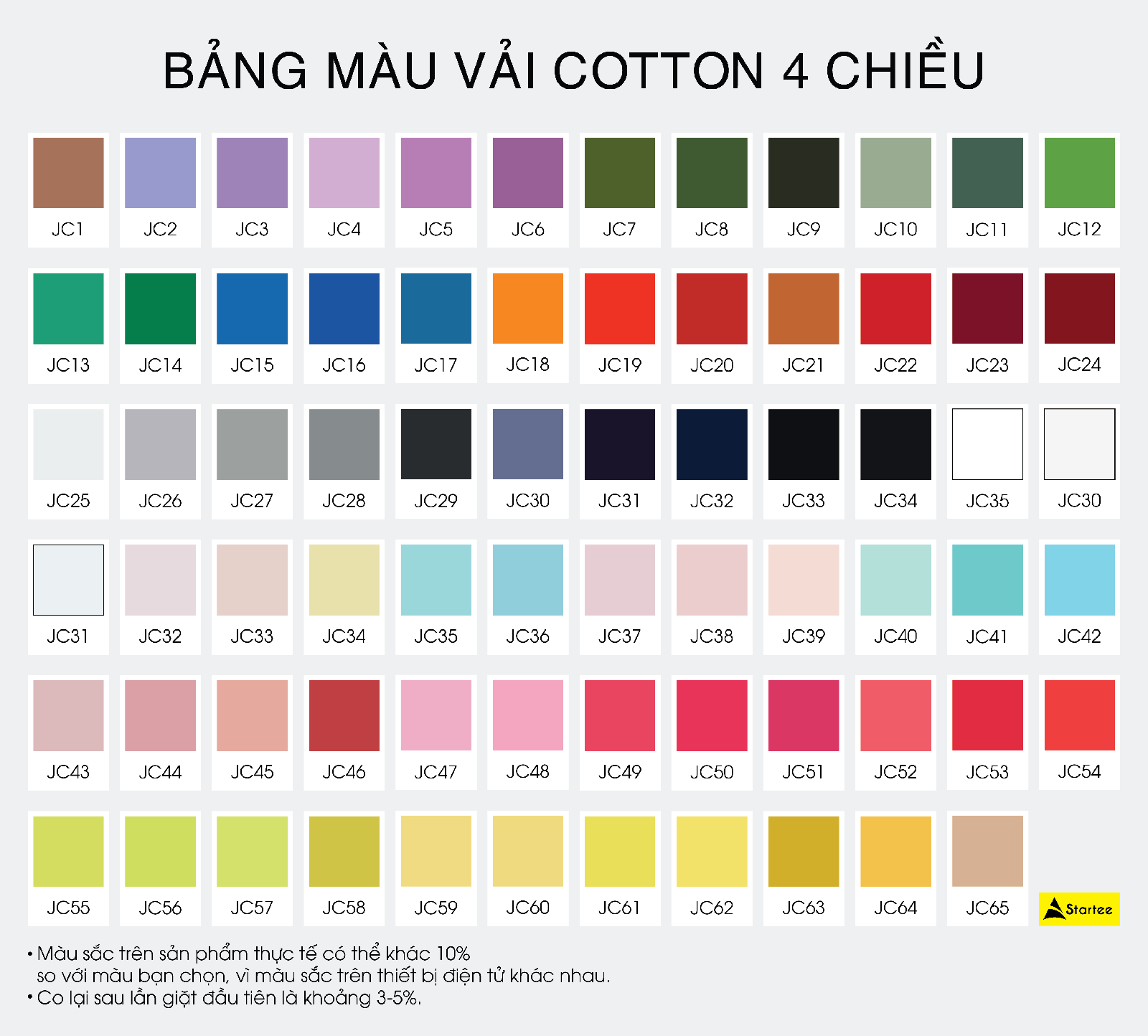
What 2-way stretch is
2-way stretch fabric stretches in one direction — usually widthwise (across the fabric roll). It’s a simpler knit, so it costs less, and it still gives enough give for products that don’t need a close, form-fitting cut.
What 4-way stretch is
4-way stretch fabric stretches both widthwise and lengthwise, thanks to spandex/elastane yarn knitted in both directions. It fits closer to the body, feels more comfortable during movement, and holds its shape longer through repeated wear and washing — but costs more due to the more complex knitting process.
Quick comparison
| Trait | 2-Way Stretch | 4-Way Stretch |
|---|---|---|
| Stretch direction | One direction (usually widthwise) | Both directions (width + length) |
| Fit, comfort | Moderate | Better — fits closer and moves more freely |
| Shape retention over time | Good | Better |
| Cost | Lower | Higher |
When to choose 4-way stretch
- Premium polo uniforms that need a close, tidy fit (Startee uses 4-way 100% cotton pique as the standard for its premium polo line).
- Uniforms with a lot of movement — two-directional stretch is more comfortable for shoulder and arm motion.
- Orders with more budget flexibility that prioritize long-term wearing comfort.
When 2-way stretch is enough
- Standard uniform t-shirts that don’t need a close fit.
- Bulk orders that need to optimize budget while still having basic stretch.