
Printing Technology
Heat-Transfer Vinyl (HTV)
Heat-transfer vinyl (HTV) cuts a design out of a sheet of colored vinyl along its outline, then heat-presses it onto fabric. Unlike DTF printing (print onto film first, then press), HTV is cut into shape first and pressed afterward — well suited to text and simple shape designs, and especially useful when a special surface finish is needed.
Why choose HTV
- A wide range of surface finishes — metallic, reflective, velvet, transparent — that ordinary ink can’t achieve.
- Material imported from Korea and the US, ensuring color fastness and adhesion through repeated washing.
- Works well as an accent combined with other printing technologies on the same product.
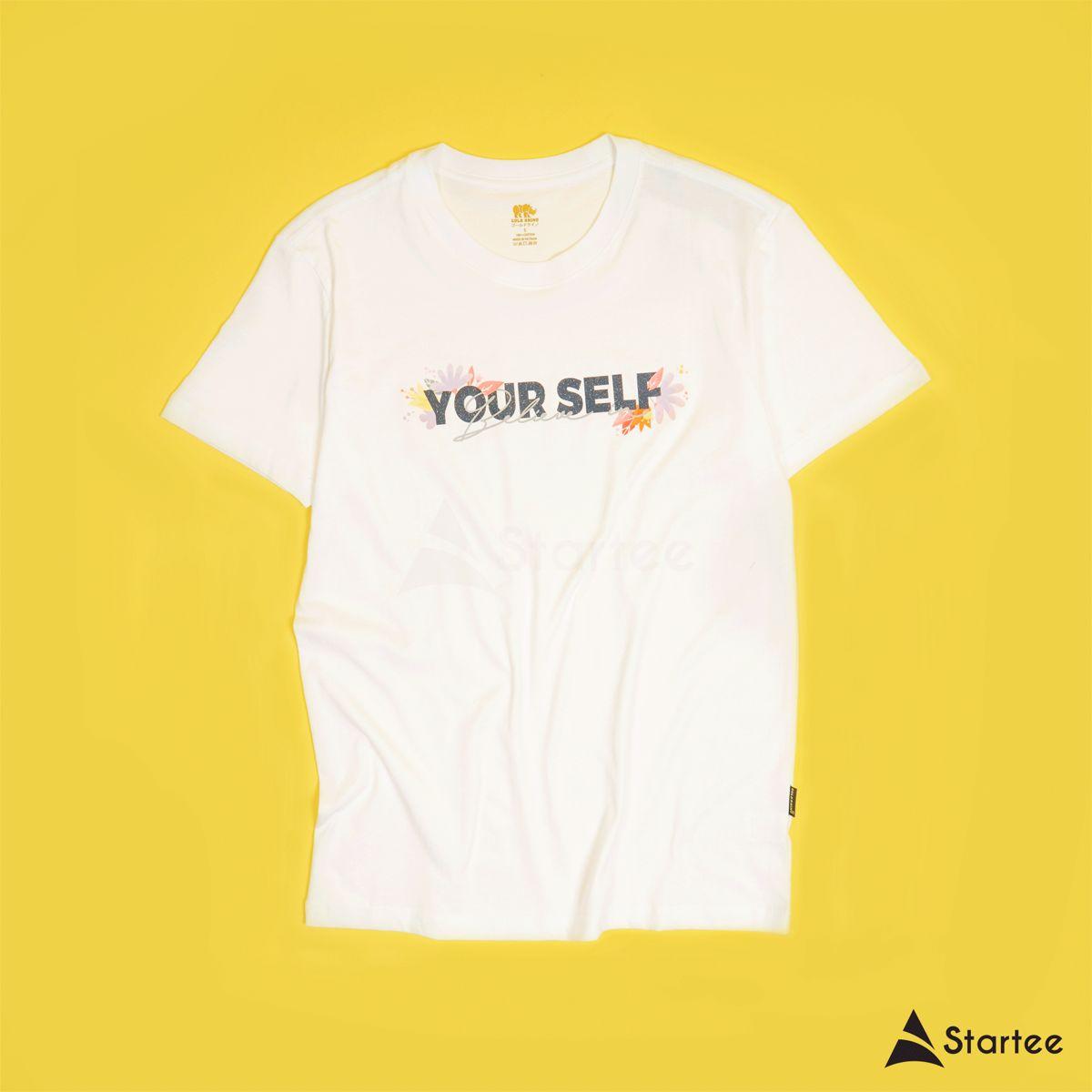
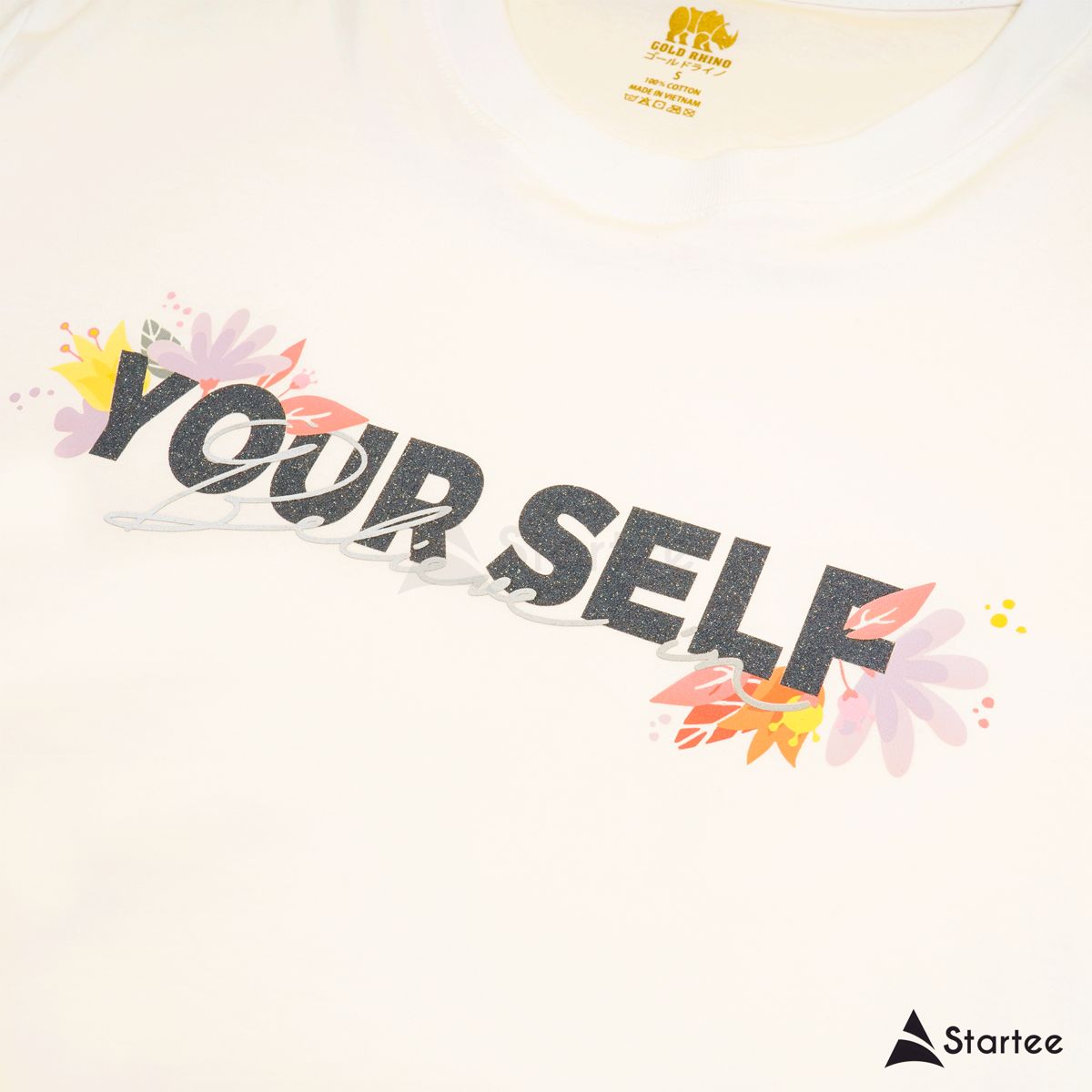
Limitations to know
- Not suited to gradients or photo-level detail — vinyl is cut per solid color block, so more colors mean more cutting and layering work.
- A large applied area can make the fabric stiffer than the surrounding surface.
- Not a substitute for DTG on detailed imagery — HTV works best for text, numbers and simple shapes.
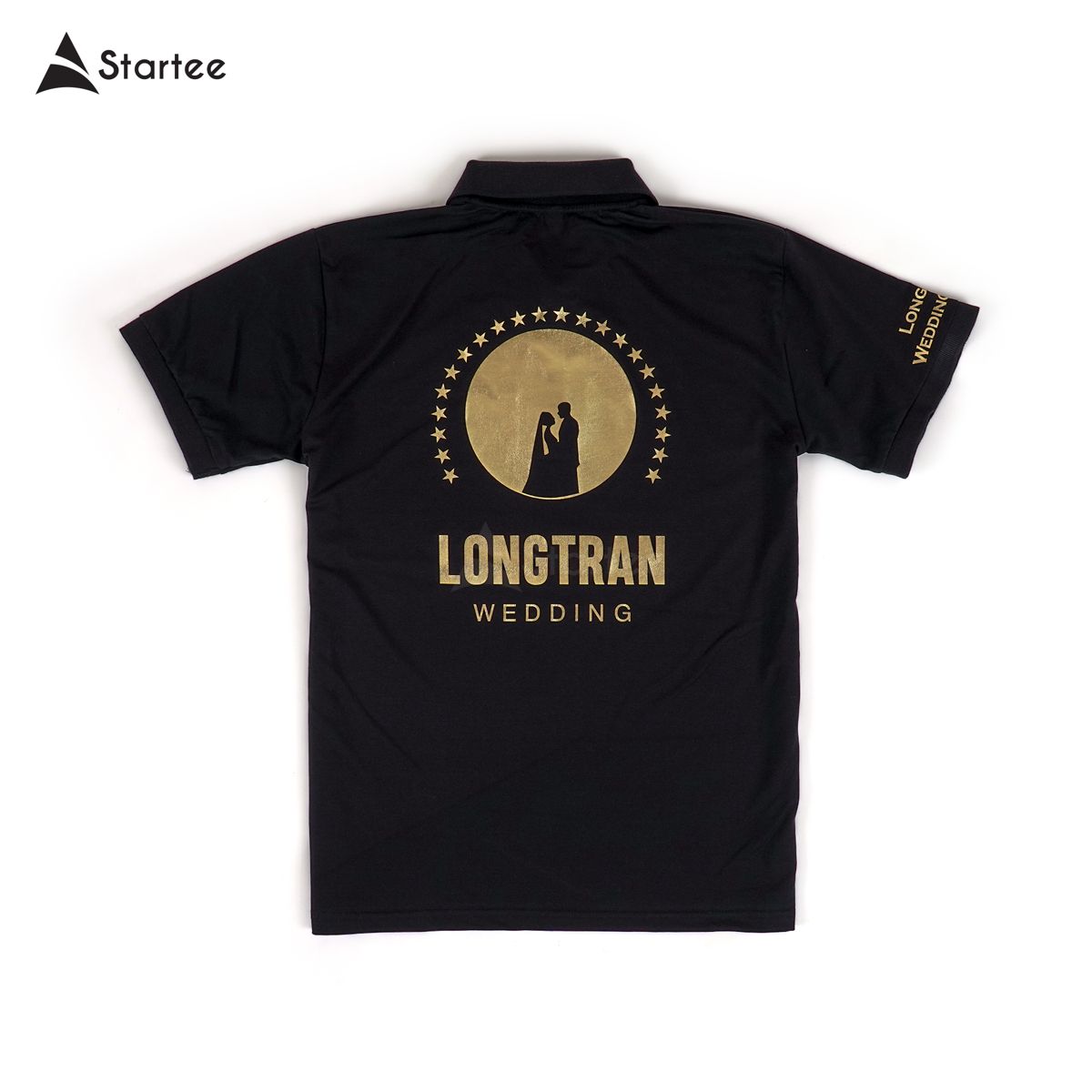

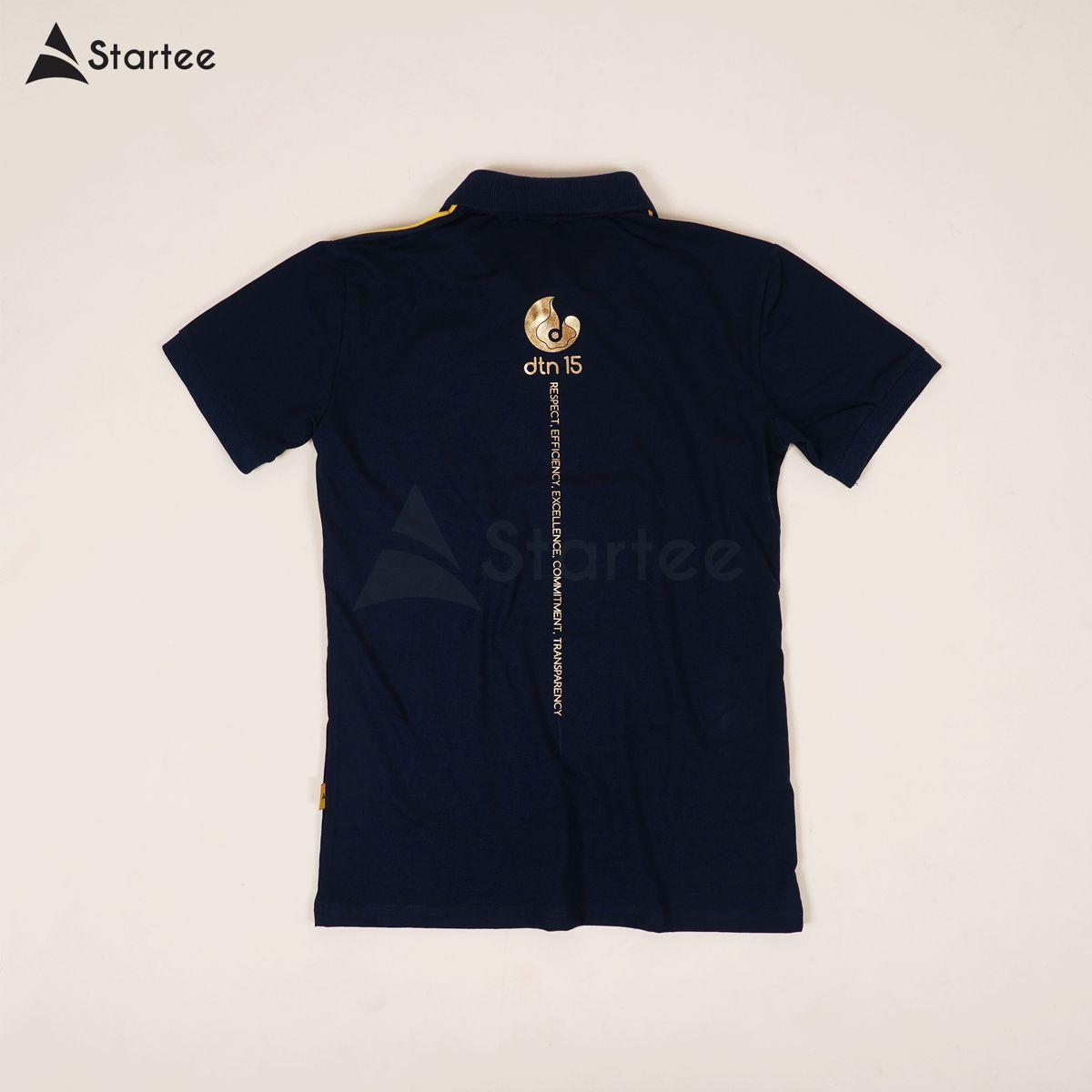
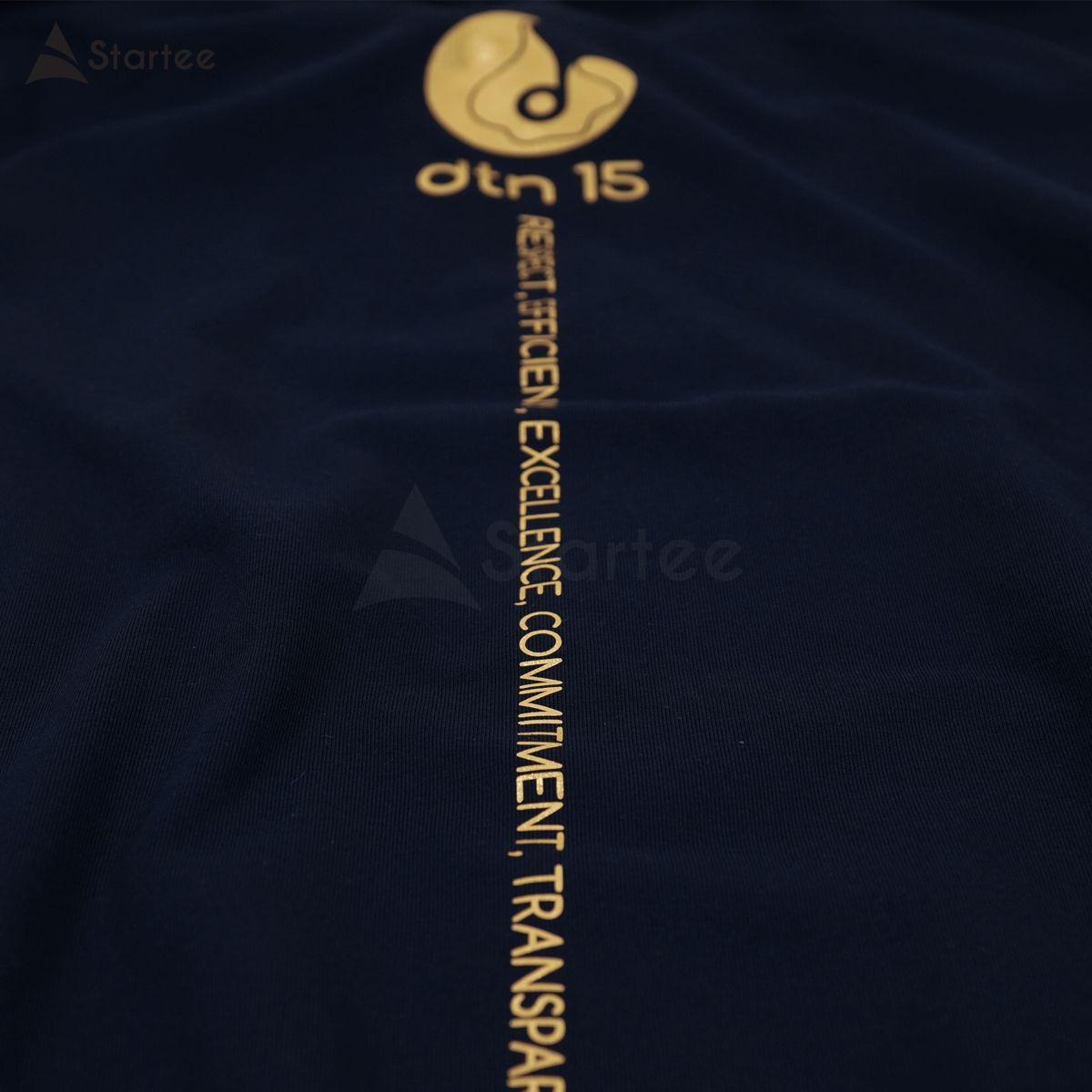
Best fit: jersey numbers and names on sports uniforms, metallic/reflective details on event t-shirts, simple text designs.