
DTG, DTF, screen print, heat transfer or vinyl?
The five apparel printing methods people ask about most when ordering custom prints are DTG, DTF, screen printing, heat transfer and heat-transfer vinyl (HTV). They don’t replace each other — each is strongest in a different situation of order size, number of colors in the design, durability and per-piece cost. Picking the wrong method usually means paying more than you need to, or getting a print that isn’t what you expected. This page compares the five quickly and suggests which to choose for each need.
Startee runs all five methods in the same workshop, so our quotes match the actual order instead of forcing every design into whatever technique is on hand.
Quick comparison
| Method | Minimum quantity | Colors / detail | Durability | Per-piece cost at volume |
|---|---|---|---|---|
| DTG | From 1 piece, no screen | Unlimited colors, prints photos & gradients | Good — soft print set into the fibers | Drops little with volume |
| DTF | From 1 piece, no screen | Unlimited colors, photos & gradients; also on dark fabric & many materials | Good — pressed film adheres well at the right heat | Drops little with volume |
| Screen printing | Needs a minimum (best from a few hundred/design) | Large color blocks, 1–6 colors; no gradients/photos | Very high with the right ink | Lowest at high volume |
| Heat transfer | From a few pieces | Vivid color, holds fine detail, many colors | Fair — depends on paper/film & pressing | Drops moderately |
| Heat-transfer vinyl | From a few pieces | Few colors, best for text/numbers; metallic & reflective finishes | Adheres well (imported vinyl) — a surface layer | Rises with color layers & cut complexity |
Note: the table above is a general rule of thumb. For a specific order, cost and choice also depend on the shirt color (dark fabric needs extra treatment), print area and fabric type.
What each method is best for
DTG — many colors, one piece and up
DTG jets water-based ink directly onto the fabric with no screen to make, so even a single piece is cost-effective. Along with DTF (see just below), it handles unlimited colors, gradients and photographs well — DTG’s own edge is that the ink sets into the fibers for the softest feel on cotton. Startee uses Innobella ink certified to the OEKO-TEX® ECO PASSPORT standard, safe on skin and suitable for children’s wear. Keep in mind: DTG prints most accurately on cotton or high-cotton blends; dark fabric needs a white base layer; and because there’s no screen, the per-piece cost doesn’t drop much as quantity grows.
DTF — like DTG but on more fabric types
DTF (Direct to Film) prints the design onto a PET film, dusts it with adhesive powder, then heat-presses it onto the shirt — so, like DTG, it needs no screen and is cost-effective from a single piece. The key difference from DTG: DTF prints well on a wider range of fabrics (cotton, polyester, blends) and gives accurate color on dark fabric with no separate white base layer. In return, a DTF print is a thin film pressed onto the surface, so it feels slightly thicker than DTG, whose ink sets into the fibers. Choose DTF for multi-color or photographic prints on non-cotton or dark garments; choose DTG on cotton when you want the softest, set-into-the-fabric feel.
Screen printing — cheapest at high volume
Screen printing stretches a separate mesh screen for each color and pulls ink through it onto the fabric. The screen setup costs money upfront, but from a few hundred pieces of one design the per-piece price is the lowest of any method. The ink layer is thick, even and opaque, and stands out especially on dark fabric. In return, screen printing suits designs with few colors (usually 1–6) and large color blocks, not gradients or photos, because every added color is another screen and another pass. It’s the standard choice for event uniforms and bulk company uniforms.
Heat transfer — fast turnaround, keeps detail
Heat transfer prints a design onto special paper or film, then heat-presses it onto the fabric. It gives vivid color, holds fine detail on complex designs and produces fast — good for rush orders in small to medium quantities. Durability is fair and depends on the paper/film and pressing; pressed at the right temperature and time, it holds well. In fact, DTF is itself a form of heat transfer through film.
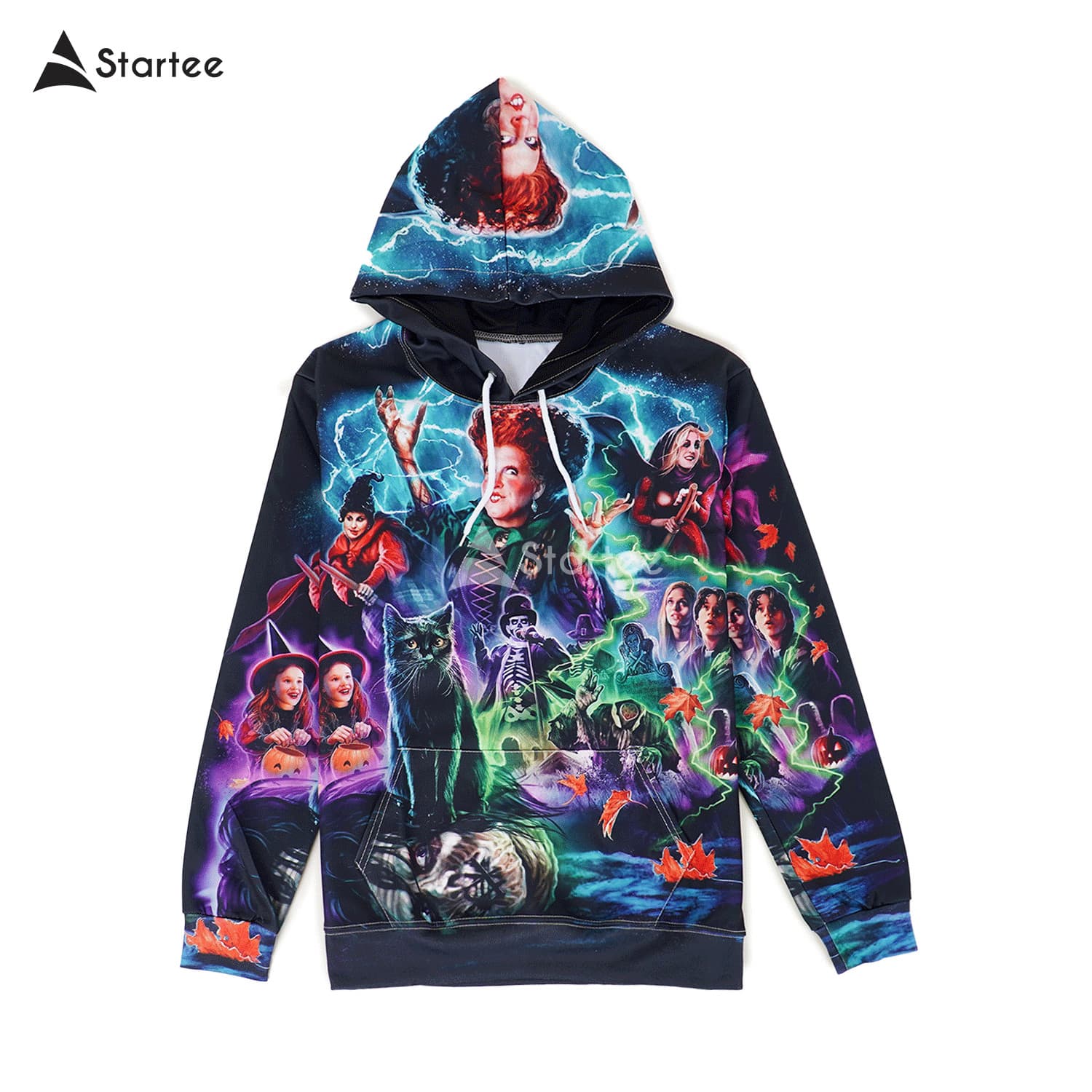
Heat-transfer vinyl — text, numbers & special finishes
Heat-transfer vinyl cuts a design out of a sheet of colored vinyl along its outline, then heat-presses it on. Because it’s cut to shape, it suits text, numbers and simple shapes best — jersey numbers and names on sports uniforms are the classic case. Its unique strength is surface finishes that ordinary ink can’t produce: metallic, reflective and velvet. Startee uses vinyl imported from Korea and the US for good adhesion through repeated washing. It isn’t suited to multi-color designs or photos, since each color is a separate layer of vinyl to cut and press.
Which to choose if…
- A few pieces, with many colors or a photograph on cotton → choose DTG.
- Multi-color or photo prints on dark fabric, polyester or a mix of fabric types → choose DTF.
- Bulk uniforms, a 1–3 color design, best possible per-piece price → choose screen printing.
- A rush deadline, a detailed design, small to medium quantity → choose heat transfer.
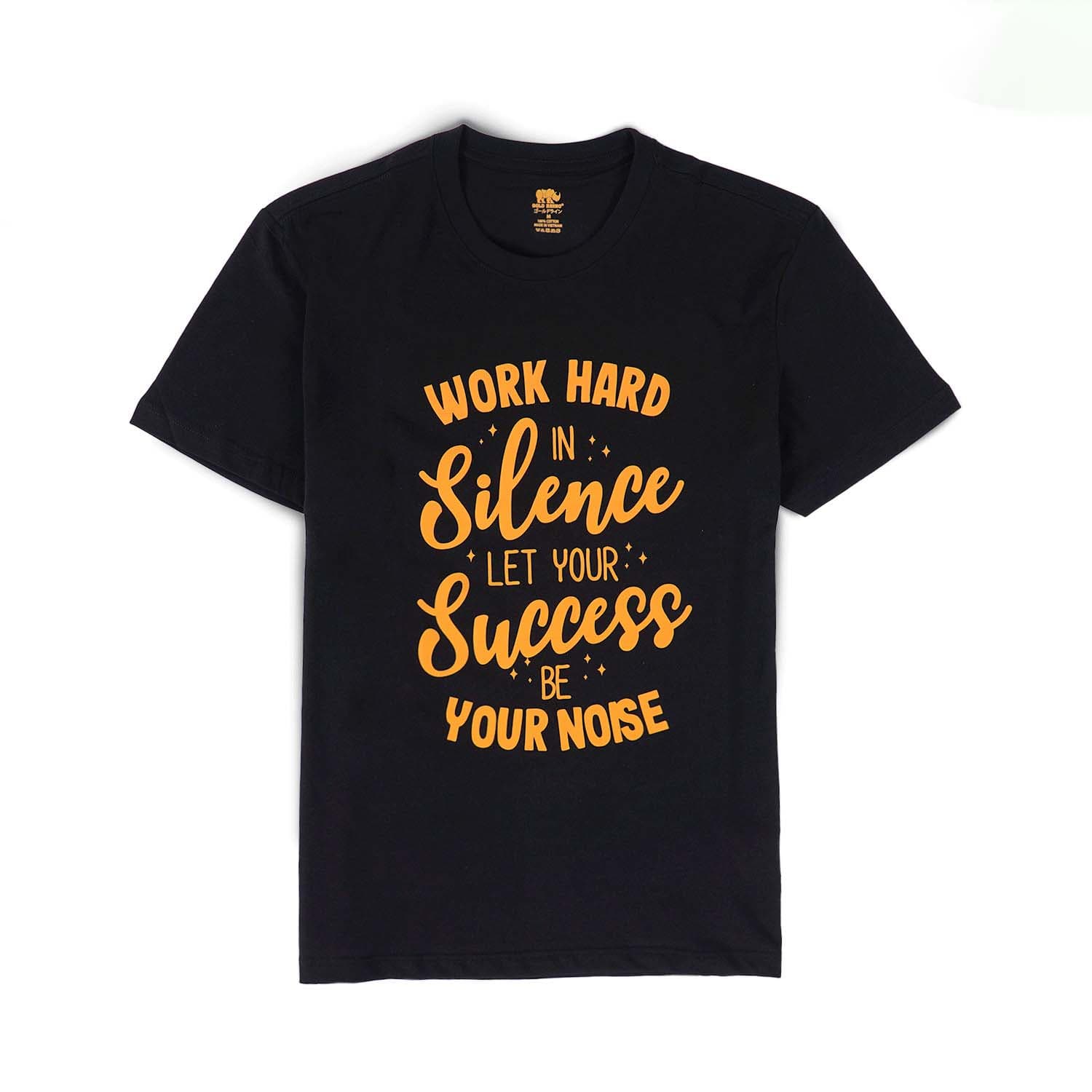
- Jersey numbers and names, or metallic/reflective accents on sports or event shirts → choose heat-transfer vinyl.
- Ordering company uniforms and unsure which method fits → see our custom uniform manufacturing service for advice on fabric, quantity and budget.
Want to preview the print on a shirt before ordering? Use Startee’s free mockup tool to try your design right in the browser, no software to install.